

Property video works when it answers the question a photograph cannot: how the space actually connects. Stills sell rooms. Film sells the relationship between them, and the setting they sit in.
Three types of property film
They differ in cost, length and purpose. The films below are all our own work, and comparing them is the quickest way to see which one your property needs.
The walkthrough
A continuous move through the property in the order someone would actually experience it — in the front door, through the living space, out to the terrace. Unglamorous and highly effective, because it answers the layout questions stills leave open. A viewer who understands the floor plan before arriving is a far more serious viewer.
Fastest of the three to produce, and the right choice for individual homes.
The lifestyle film
Sells the life rather than the layout — usually with talent, always with attention to light. This is what developers and resort properties use, and it carries the highest production values of the three.
It also dates fastest, so it is worth shooting to last: fewer visible trends, more attention to the space itself.
The aerial-led film
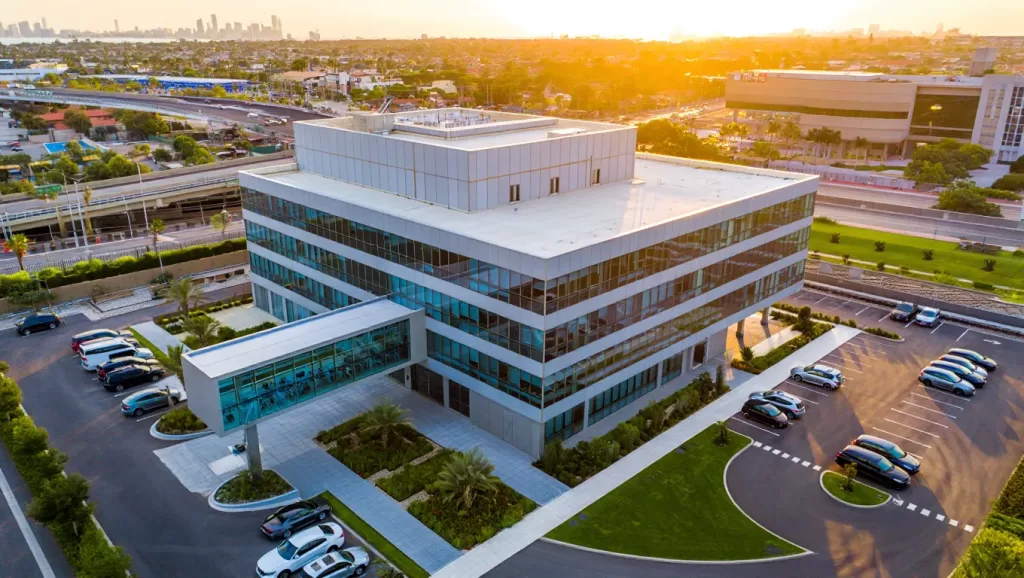
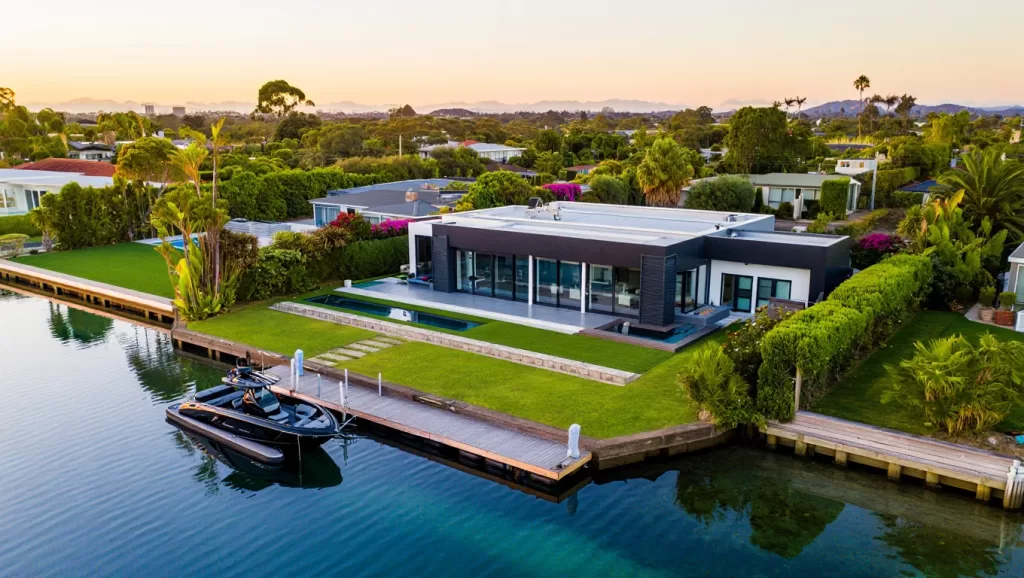
Establishes scale, plot boundaries and the relationship to coast, town or landscape. Essential for land and developments, and for any property where the location is the selling point rather than the building.
Developers and agents need different things
The two are often quoted the same way, and should not be.
Developers are marketing something that may not exist yet, over a campaign lasting months. They need a hero lifestyle film, aerial establishing the site and its surroundings, and content that stays usable as the development progresses. The aerial footage has a second life — shot at intervals it becomes construction progress content, which sells to buyers already committed.
Agents are marketing a specific property that needs to sell now. They need speed and volume. A good walkthrough delivered in three days beats a beautiful film delivered after the viewing window closed, and the economics only work if the per-property cost stays proportionate to the commission.
When aerial is worth paying for
Aerial earns its cost when the surroundings sell the property: a coastal position, plot size, a view, or proximity to something desirable. For land it is close to essential, because a field looks like any other field from the roadside.
It adds very little to a mid-floor apartment on a dense street, where the interior is the product and the view is a neighbouring building. Paying for drone work there buys a shot that will not survive the edit.
Where you do use it, it must be flown legally by a certified operator with the right registration and insurance — see drone filming in Cyprus. The practical point for a property shoot is that airspace must be checked for that specific address before the day. Finding out on site that a plot cannot be flown is an expensive way to learn it.
Preparing a property before filming
Film magnifies clutter far more than stills, because the camera moves past everything rather than framing around it. An hour of preparation improves the result more than any amount of equipment.
- Clear every surface completely. Worktops, side tables, bathroom shelves. What reads as lived-in to you reads as untidy on camera.
- Open all blinds and curtains, and turn every light on, including lamps. Mixed light is fixable in the grade; a dark room is not.
- Remove cars from the frontage and bins from view, especially where aerial is planned — a drone sees the whole plot including the side return.
- Tidy the outdoor space. Pool covers, hoses and garden furniture out of position undo an otherwise good exterior.
- Decide about personal items. Photographs and children’s things help a house feel loved and hinder a buyer imagining themselves in it.
Timing the shoot
Interiors want the brightest part of the day so rooms read as light and airy. Exteriors and aerial want the hour before sunset, when light is warm and low and the building has shape rather than flat glare.
That usually means one visit structured around the light rather than around convenience — starting inside and finishing outside. For properties facing directly into the afternoon sun the reverse can be true, so orientation is worth checking before the date is set.
Stills alongside
Shooting photography on the same visit is substantially cheaper than a second booking, and the property is already prepared and lit. See why drone photography matters in property marketing for the stills side, and the cost guide for how property films are priced.
Talk to us about your project
Every project is quoted before you commit, and we reply within 24 hours. See our videography work, browse the photography side, or tell us what you need.


