
Video vs Photography: What Does Your Business Really Need in 2026?
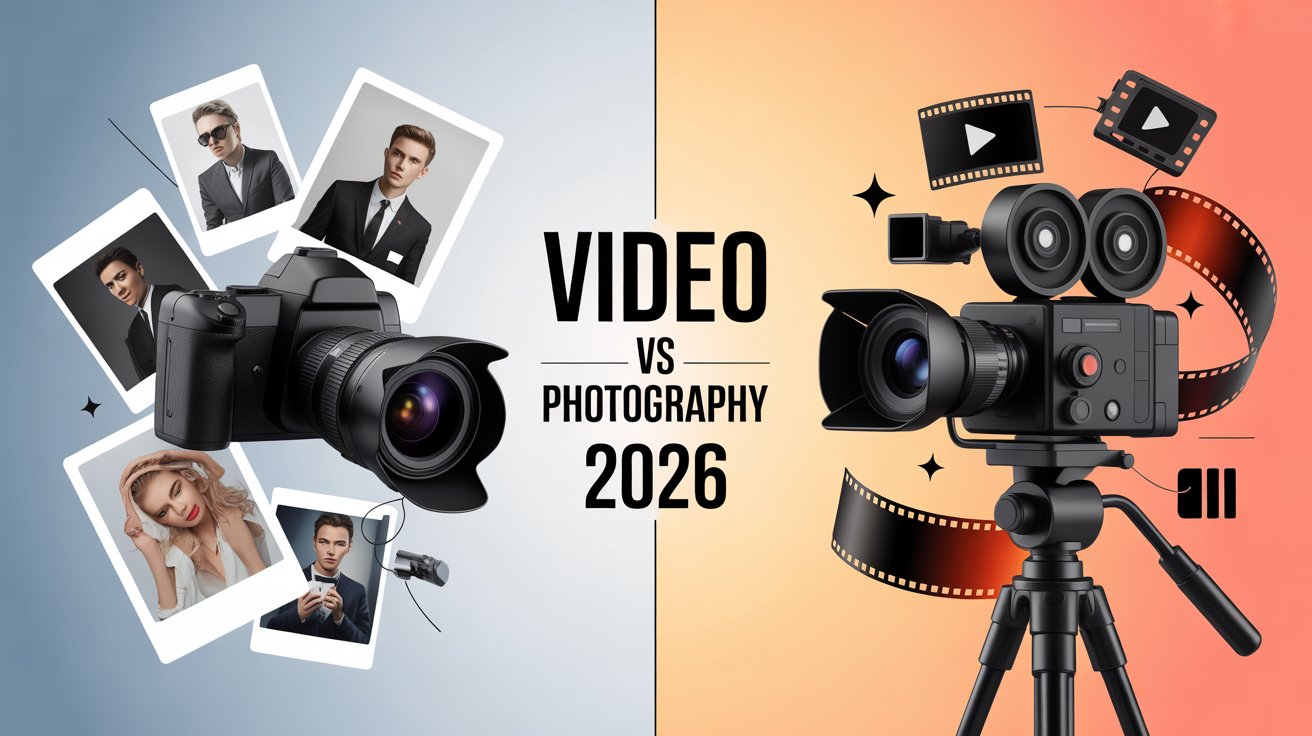
Visual content has become a cornerstone of modern marketing, shaping how audiences connect with brands. For businesses in Cyprus and beyond, the choice between video and photography can significantly impact engagement, brand perception, and conversions.
As social media trends evolve and technology advances, understanding the strengths of each medium is crucial. This guide explores the benefits of video and photography, highlights emerging trends, and offers practical insights to help your business make an informed, strategic decision.
What Photography Brings to the Table

Photography has long been the backbone of visual branding. High-quality images are timeless, versatile, and effective at establishing a brand’s identity. Whether used for websites, social media, or print marketing, photography communicates professionalism and attention to detail.
Commercial photography services in Cyprus, for instance, help brands showcase products, interiors, and services with clarity and elegance. A single professional photo can convey quality, reliability, and aesthetic appeal instantly, making it particularly effective for product catalogs, corporate portfolios, or real estate listings.
The Rising Force of Video Marketing in 2026

While photography conveys a static image, video breathes life into your brand. Professional videography for brands allows businesses to tell stories, create emotional connections, and engage audiences more deeply than any single photograph can.
Business video marketing 2025 and beyond is increasingly dominated by short-form content, social media campaigns, and cinematic brand storytelling. Platforms like Instagram Reels, TikTok, and YouTube Shorts prioritize video content, often giving it more visibility and engagement.
From brand videos to corporate videography services, video enables businesses to showcase experiences, demonstrate products, or highlight company culture dynamically. For instance, a luxury hotel in Cyprus can use drone shots, guest testimonials, and event footage to create immersive content that photos alone cannot match.
Hard Data & Trends: Evidence Businesses Can’t Ignore
- Higher Engagement with Video: Brands using video see up to 80% more engagement on social media and higher click-through rates compared to static images.
- Photography for Authority: Professional photography remains essential for polished, shareable visuals that strengthen brand credibility and recognition.
- Hybrid Approach Gains Importance: Combining video and photography is increasingly effective for maintaining consistent storytelling and maximizing ROI.
- Emerging Video Trends in 2026: Short-form videos, AI-assisted editing, and interactive campaigns are reshaping digital marketing strategies.
- Authenticity in Photography: High-quality, genuine photos keep your brand grounded, credible, and visually appealing.
- Visual Content Strategy in Cyprus: Leveraging both mediums strategically allows businesses to enhance engagement, conversions, and brand consistency across all platforms.
Choosing What Fits Your Business Goals
When deciding between video and photography, it’s essential to align your choice with your specific business goals. Here are some factors to consider:
1. Know Your Audience
Understanding who your audience is and where they consume content is crucial. Younger demographics may favor video content on social media, while B2B audiences often rely on detailed imagery and professional photographs for decision-making.
2. Define Your Objectives
Are you aiming for brand awareness, lead generation, product promotion, or customer education? Brand video production services excel at storytelling and engagement, while product photography for businesses ensures clarity and consistency in showcasing products.
3. Assess Platform Preferences
Different platforms favor different content types. Instagram, YouTube, and TikTok prioritize video, while websites, brochures, and corporate presentations often require high-quality photographs.
4. Evaluate Budget & Resources
Video production typically demands more investment, both in terms of equipment and time, than photography. However, the potential ROI through engagement and conversion can justify the cost for many businesses.
5. Measure Longevity & Reusability
Professional photographers help provide long-lasting assets, whereas video may need updates or re-edits to stay current with trends. Consider how often you will reuse your content and whether you want evergreen visuals or trending campaigns.
6. Align with Brand Identity
Your visual content should reflect your brand’s tone, values, and style. Luxury brands may rely more on polished photography, while lifestyle and experiential brands may benefit from dynamic video storytelling.
Why a Hybrid Approach Often Wins
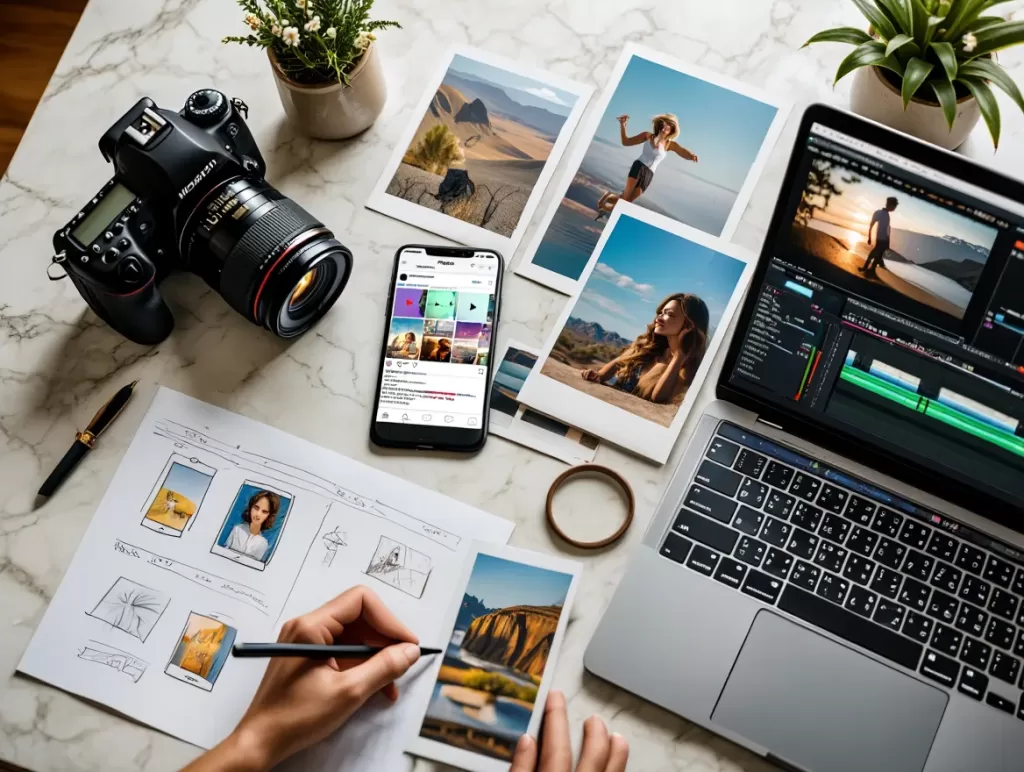
For most businesses, the choice doesn’t have to be binary. Combining corporate video services Cyprus with professional photography Cyprus allows brands to capture both attention and credibility.
A single shoot can yield videos for social media campaigns, testimonials, and marketing promotions, while also producing stills for websites, brochures, and advertising. This strategy ensures a cohesive brand presence, maximizes resource efficiency, and amplifies ROI.
Conclusion
By 2026, visuals will continue to dominate business marketing. Video content offers storytelling power, engagement, and emotional connection, while professional photography delivers consistency, quality, and long-term brand value.
For businesses, leveraging a thoughtful mix of video production company Cyprus services and commercial photographer in Cyprus expertise can help create a visual strategy that resonates with your audience and drives results.
Your story deserves to be seen and remembered. Contact Vivid Colour Films for exceptional video and photography services in Cyprus!
FAQ’s
- Is video or photography better for business marketing?
Both have unique strengths. Photography is ideal for clarity, consistency, and branding, while video excels at engagement, storytelling, and conversions.
- When should a business use video instead of photos?
Use video for product demos, brand storytelling, event coverage, social media campaigns, and content that requires emotional connection.
- How do video vs photography ROI for brands compare?
Video often drives higher engagement and conversion rates but requires a larger investment. Photography provides long-term, reusable assets and is cost-effective.
- How do I choose between videography and photography?
Evaluate your audience, platform, marketing objectives, budget, and brand identity. Often, a hybrid approach delivers the best results.
- Does my business need video content in 2025?
Yes. Video content is increasingly prioritized by digital platforms and consumers, making it essential for engagement, visibility, and brand storytelling.